The Problem
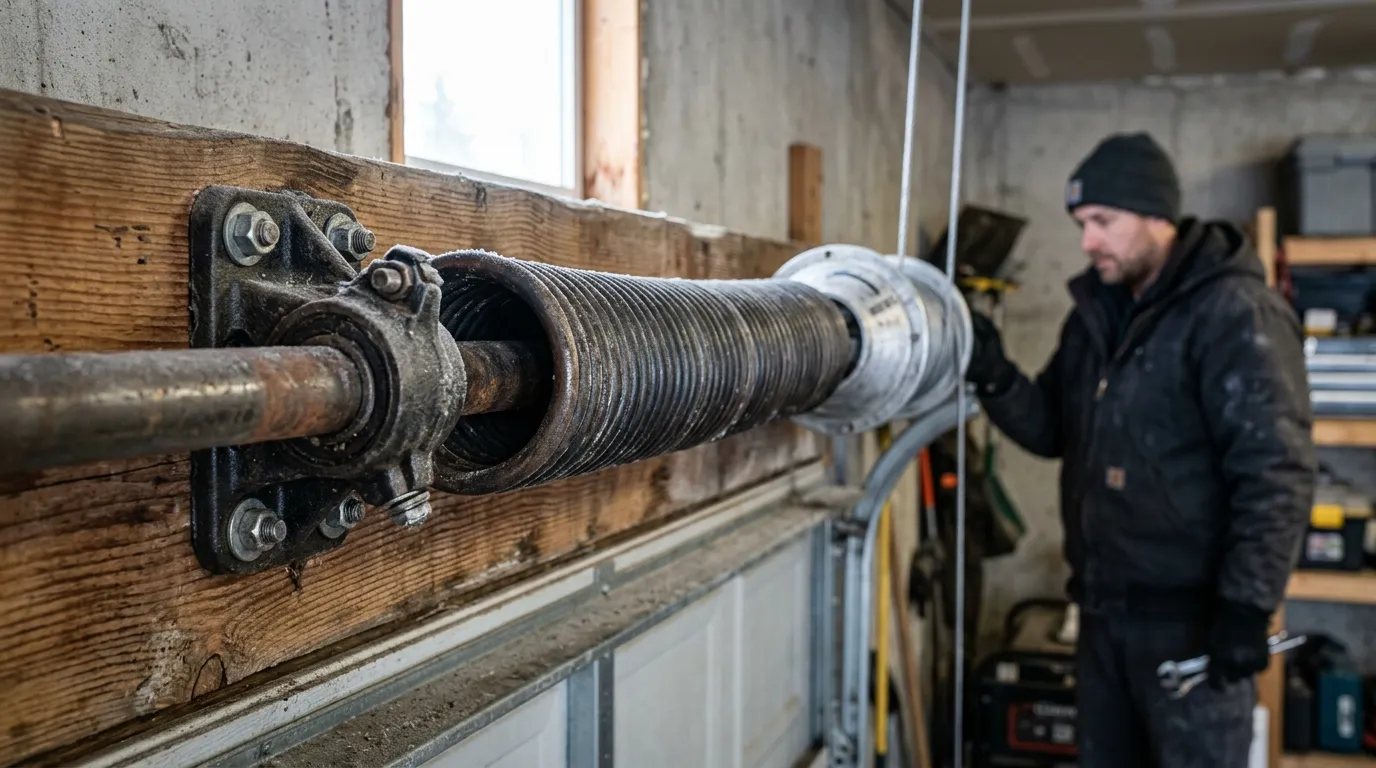
A torsion spring stores tension all the time, whether the door is open or shut. Steel contracts as it gets cold, and contracted steel is less forgiving of the daily flex a spring goes through every time the door runs up and down. That's the whole mechanism behind why springs seem to pick the worst mornings to fail: the metal was already closer to its limit before anyone touched the opener button.
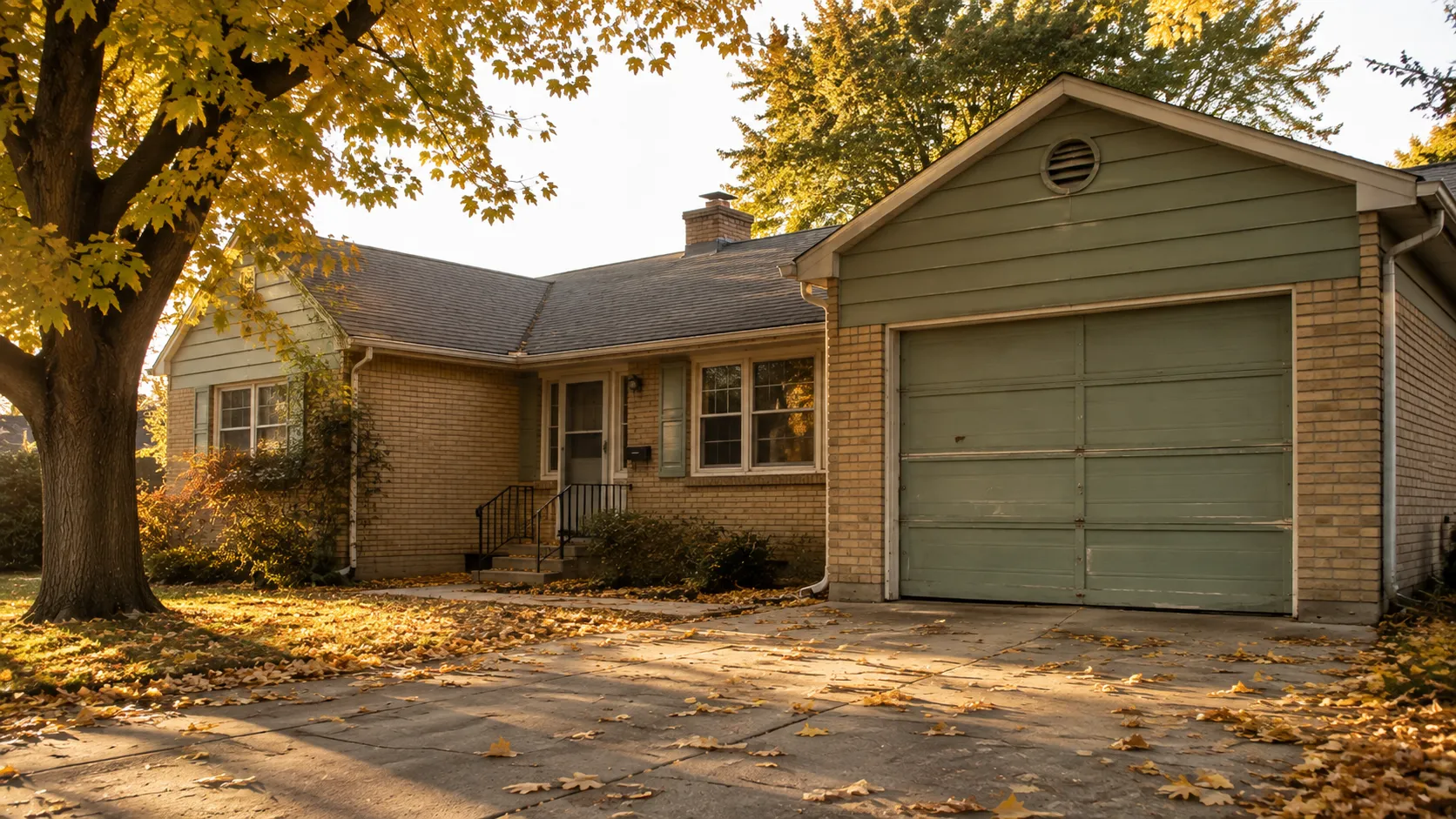
Housing stock in this service area runs from 1940 up through 2015, with the median build year sitting around 1981. That's a long window, but a big chunk of it lands in the 1980s and 90s across the named communities nearby. A spring installed when a house was built in 1985 has had roughly four decades of cold snaps to fatigue the coil. Nobody replaces a spring on a schedule - it just runs until one cold morning it doesn't.
We're not going to tell you every spring in a house this age is about to go. Most aren't. But when one does fail, cold is almost always part of the story, not a coincidence sitting next to it.
How Local Conditions Play In
This area sits in a climate band rated cold and severe, which means real swings between a mild afternoon and a hard overnight freeze - not just steady cold for months. Those swings matter more to a spring than constant cold does, because the metal is expanding and contracting on a cycle instead of settling into one state.
Houses built in the 1980s and 90s, which make up the bulk of the stock across the roughly 32 communities in this service area, were built to the codes and hardware standards of that era. A lot of that original torsion hardware is still up there, on the same bracket it was installed on. It's not that the parts were bad. It's that thirty-plus years of cold-cycle stress on a coil eventually wins.
The honest limit here: we can't tell you your specific spring is close to failing without looking at it. Age plus climate plus a cold morning is a strong pattern, not a diagnosis. If your door is from the newer end of that 1940-2015 range, the pattern applies less to you.
Checking It Yourself
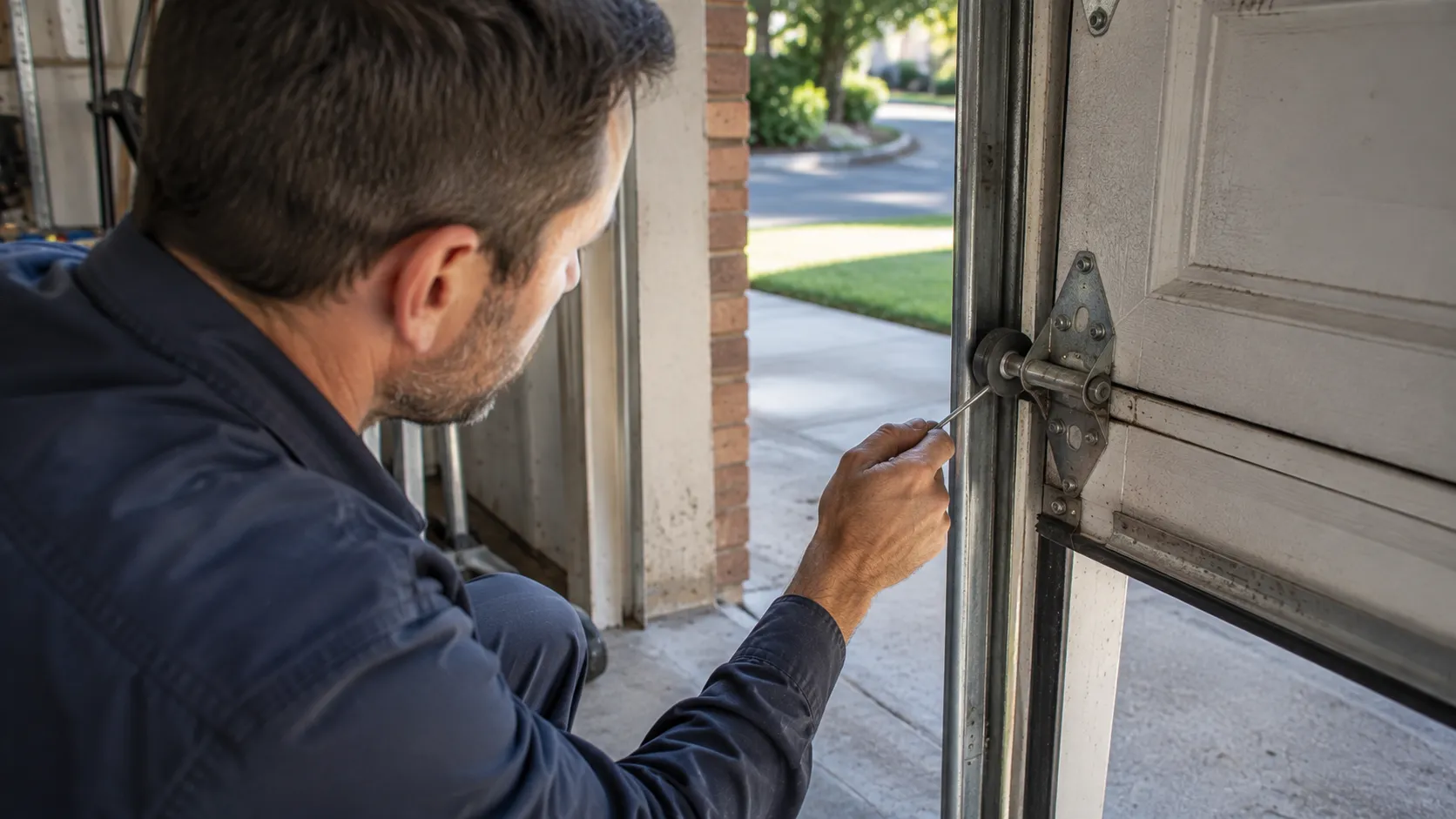
With the door closed and the opener disconnected, look at the spring itself - the coil above the door, not the cable. Rust along the coil, a visible gap between windings, or one side of the door looking noticeably lower than the other are all signs worth taking seriously, especially after a cold stretch.
Don't try to unwind or loosen a torsion spring yourself. It's under enough stored tension to cause a serious injury, and that doesn't change because it's cold outside - if anything, cold steel is more likely to snap suddenly rather than give a warning.
A simpler check: try opening the door by hand with the opener disconnected. A balanced door with a healthy spring should lift with modest effort and stay roughly where you leave it partway up. If it feels heavy, drops on its own, or you're fighting it, the spring is doing less of its job than it should, and that's worth a call before it fails outright rather than after.
What Changes With the Season
As temperatures drop, a spring at the edge of its service life is more likely to let go than it was in warmer months - that's the pattern this whole page is built around. It doesn't mean every cold morning brings a wave of calls, but the failures that do happen cluster there.
For houses on the older end of the 1940-2015 range, this is worth a look before the coldest part of the season sets in rather than after a door won't open on a freezing morning with the car stuck inside. For newer builds, the same logic applies but with less urgency, since the hardware simply hasn't had as many cold cycles to work through.
We don't push replacement on a spring that's doing fine just because a house is old. Plenty of original 1980s hardware is still sound. The point isn't to replace on age alone - it's to know that age plus this climate is the combination that actually explains a spring going in January instead of July.
Talk to a local pro
Garage door trouble in Chantilly?
Same-day service with honest, upfront quotes.