
Sensor early reversal
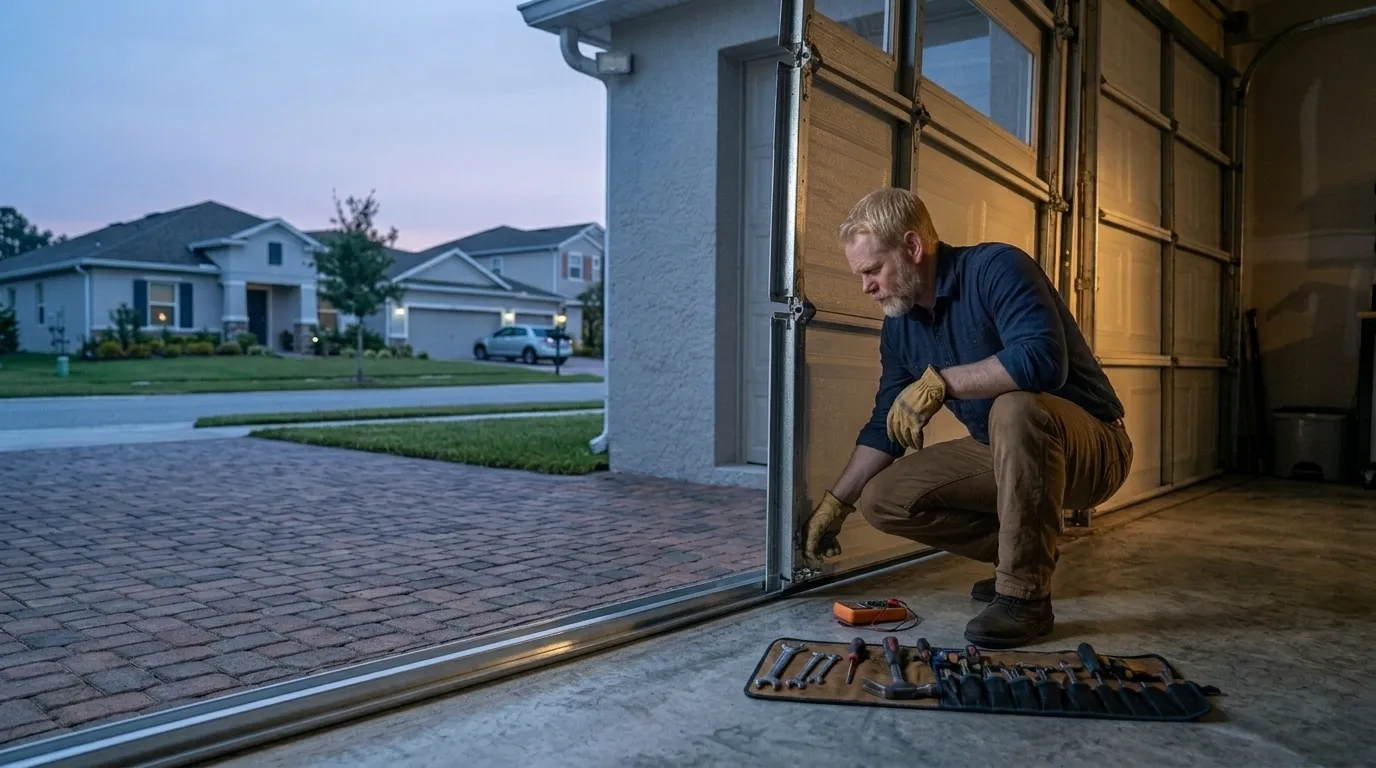
A door that reverses immediately after starting down is almost always the safety sensors - a bump, a spider web, or a slight shift in the bracket is enough to trip them.
Chantilly, VA
Opener won't respond, reverses, or grinds? We fix garage door openers in Chantilly's older housing stock, built for a climate that wears out gears and boards fast.
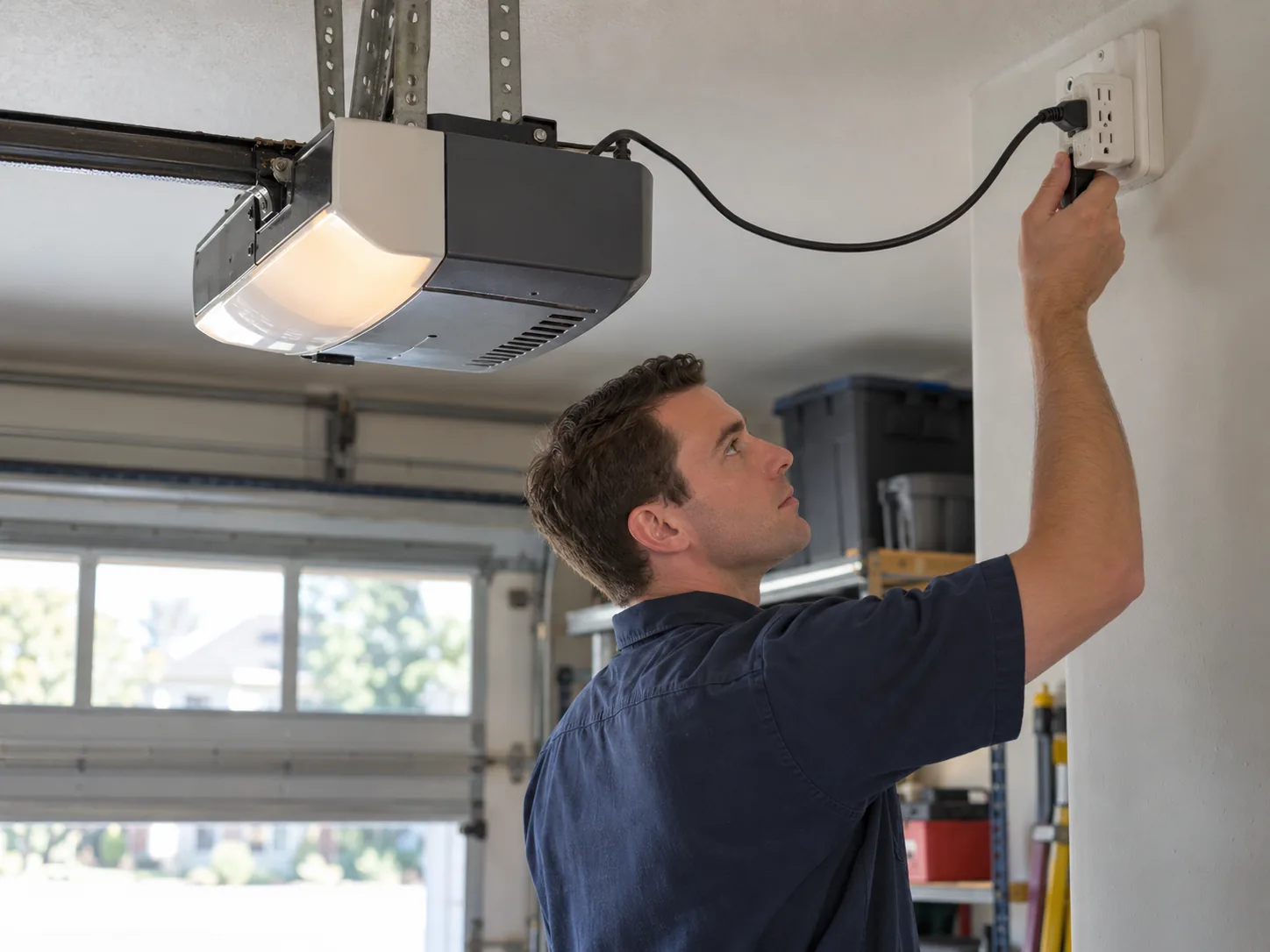
The repair
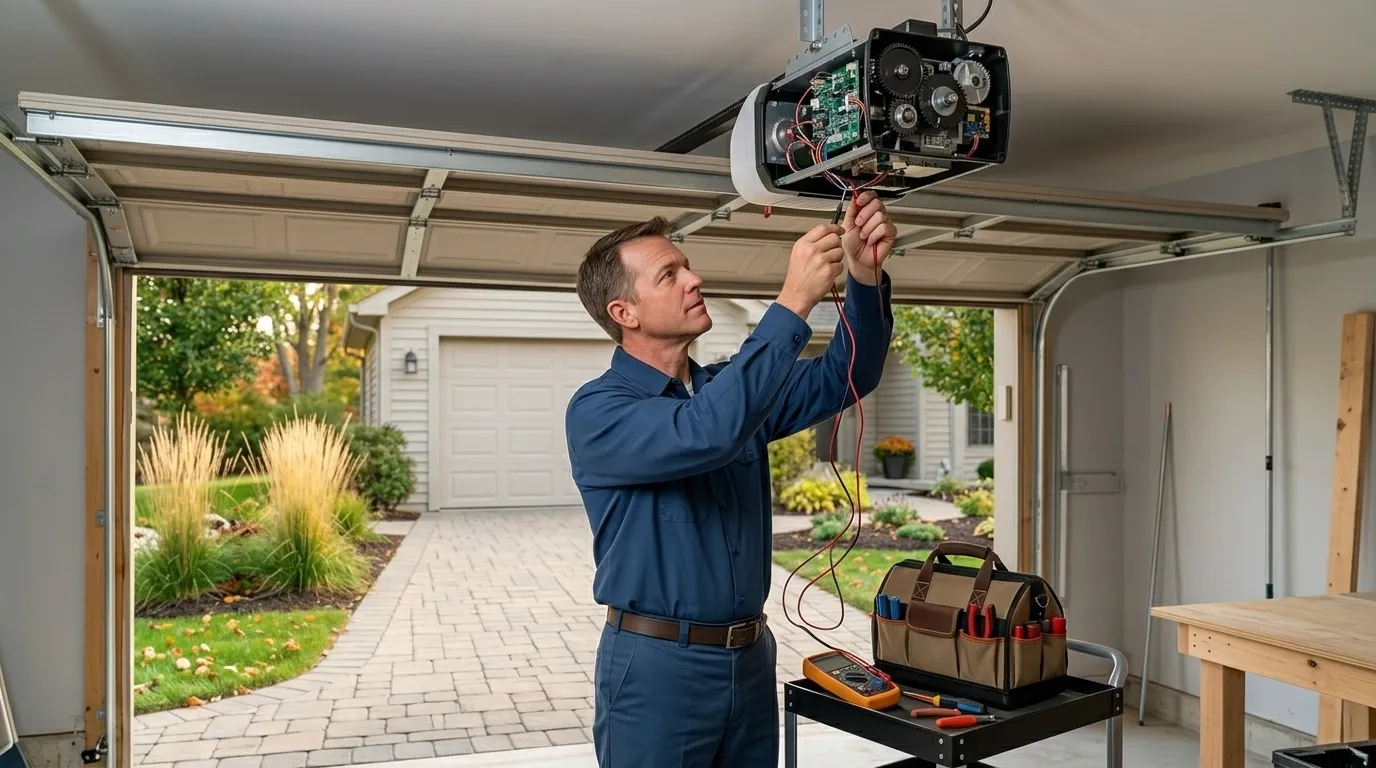
Most opener calls break down into three buckets: the logic board has failed, the drive gear has stripped, or the sensors are misaligned and the unit won't run at all out of caution.
We start by watching the unit cycle once, listening for the grind of a stripped gear versus the click-click of a board that's given up. On a house with original 1980s or 90s wiring, we also check the circuit the opener sits on - undersized or shared circuits cause nuisance trips that look like an opener problem but aren't.
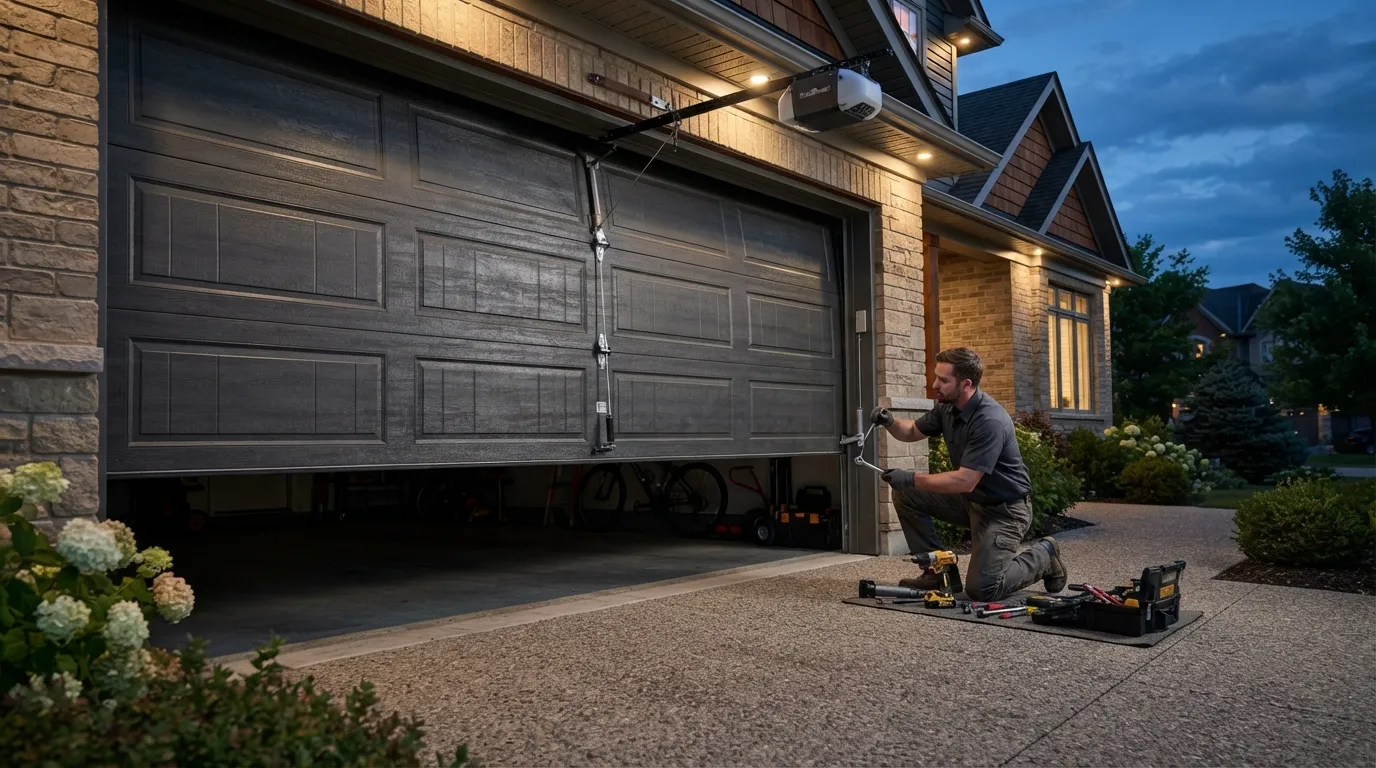
If the motor's fine and it's a gear or sprocket, that's a parts swap, usually same visit. If the board's dead, we replace the head unit rather than chase a part for a model that's been out of production for years.
We don't rebuild boards - past a certain point in age, a new opener head costs less than the labor to keep patching an old one, and we'll tell you when you've hit that point instead of running up a bill for a fix that won't hold. Safety sensors get realigned and tested before we leave, every time, no exceptions.
Booking
Tell us what the opener is doing - silent, grinding, reversing, or running the motor without moving the door - and we can usually tell you over the phone whether it's a same-visit fix or a parts order. Chantilly-area homes span construction from 1940 up through 2015, with a lot of the stock built mid-century to late-century, so opener brands and mounting styles vary more than people expect. Knowing the rough age of your house and door helps us bring the right hardware the first time instead of a second trip. We work across the wider service area - out toward Bull Run, Sudley, Arcola, and the other communities within a short drive - so the truck on your street may already be finishing a job nearby. That doesn't change your quote, but it can shorten your wait.
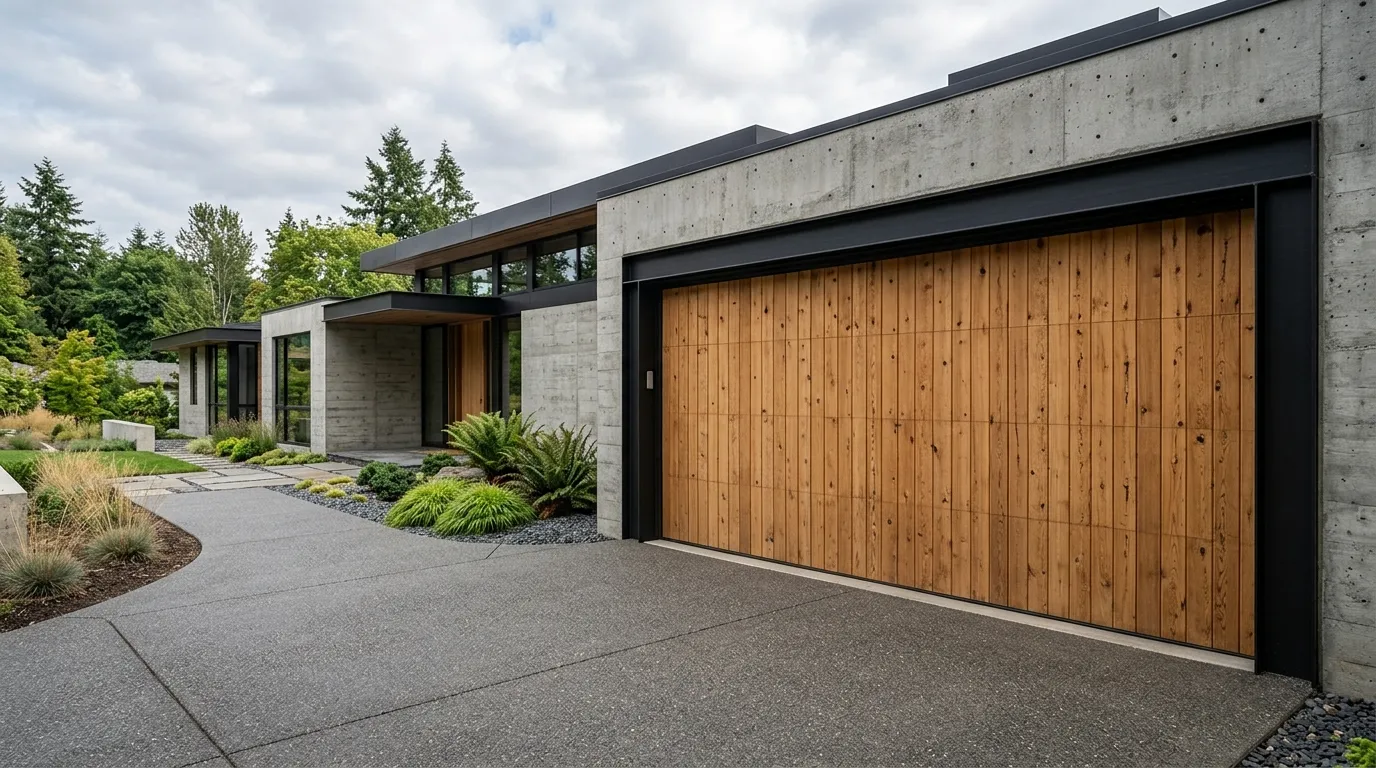

Local causes
A lot of the housing in this part of Virginia sits in the 1980s-to-90s build era across the surrounding named areas, and that generation of openers is now well past the point where boards and gear sets hold up to daily cycling. Add a climate band that runs cold and severe in winter, and you get two specific failure patterns: plastic drive gears that go brittle and shear in cold garages, and circuit boards that fail after repeated freeze-thaw condensation inside the housing. Chain-drive units from that era are especially prone to the gear failure - it's a $20 part but it strands the whole door if it lets go mid-cycle. Newer builds in the area, up to the 2015 range, tend to have belt-drive units that don't show this exact wear pattern as often, but they're not immune to sensor misalignment from seasonal settling. None of this means every old opener is doomed - plenty run fine for years past when the gear should have failed - but if your unit is from that era and grinding on cold mornings, that's the pattern, not a fluke.
Warning signs
A remote that used to work every time but now takes three or four presses, and finally nothing, is usually a board issue, not a battery issue.
A door that reverses immediately after starting down is almost always the safety sensors - a bump, a spider web, or a slight shift in the bracket is enough to trip them.
Grinding or a loud pop followed by the motor running with no door movement points straight to a stripped internal gear. A opener that hums but the door doesn't budge, chain or belt included, often means the trolley has disengaged, sometimes on purpose from a manual release that got bumped.
None of these are guesswork calls once we're standing in front of the unit, but if you're trying to figure out whether to call today or wait, a door that won't fully close on its own is the one that shouldn't wait - it's a security gap, not just an inconvenience.
Questions
In this climate band, cold makes plastic gears brittle and can cause condensation inside older logic boards, which is why openers from the 1980s-90s building era around here fail more often in winter than in summer. It's a wear pattern tied to age and temperature together, not a single cause.
Often yes, if it's a gear, sensor, or wiring fix - those parts are common and we carry them. If the logic board has failed on an older, discontinued model, we may need to order a replacement head unit, which can add a day or two.
If the motor and drive system are sound and it's a sensor or gear issue, repair makes sense. If the board is dead on a unit old enough to be out of production, a new opener head is usually cheaper than sourcing obsolete parts, and we'll say so plainly rather than run up a repair bill.
Yes, we cover the wider area including communities like Bull Run, Sudley, Arcola, Yorkshire, and others within roughly a 20-mile radius, so the same crew and pricing apply whether you're in town or nearby.
Explore more
Ready when you are
Chantilly Garage Door Pros repairs and installs garage doors, springs and openers in Chantilly, VA and the surrounding area.