Great Falls, Chantilly

New Garage Door Installation for Great Falls Homes

Great Falls homes mostly date to the mid-1980s, when doors were single-layer steel with no insulation. We install from Chantilly, 11 miles out, with hardware built for that era and this climate.

New Garage Door Installation for Great Falls Homes in Chantilly
Serving Chantilly, VABackground-checked techsHonest, upfront pricingFast local response

On the truck

What Is on the Truck

Most of Great Falls went up around 1985, and that year matters more than people think. Builders in that stretch were still hanging single-layer steel doors with no foam backing, hung on extension springs or first-generation torsion bars bolted straight to a wood header.

Cold-climate door equipment

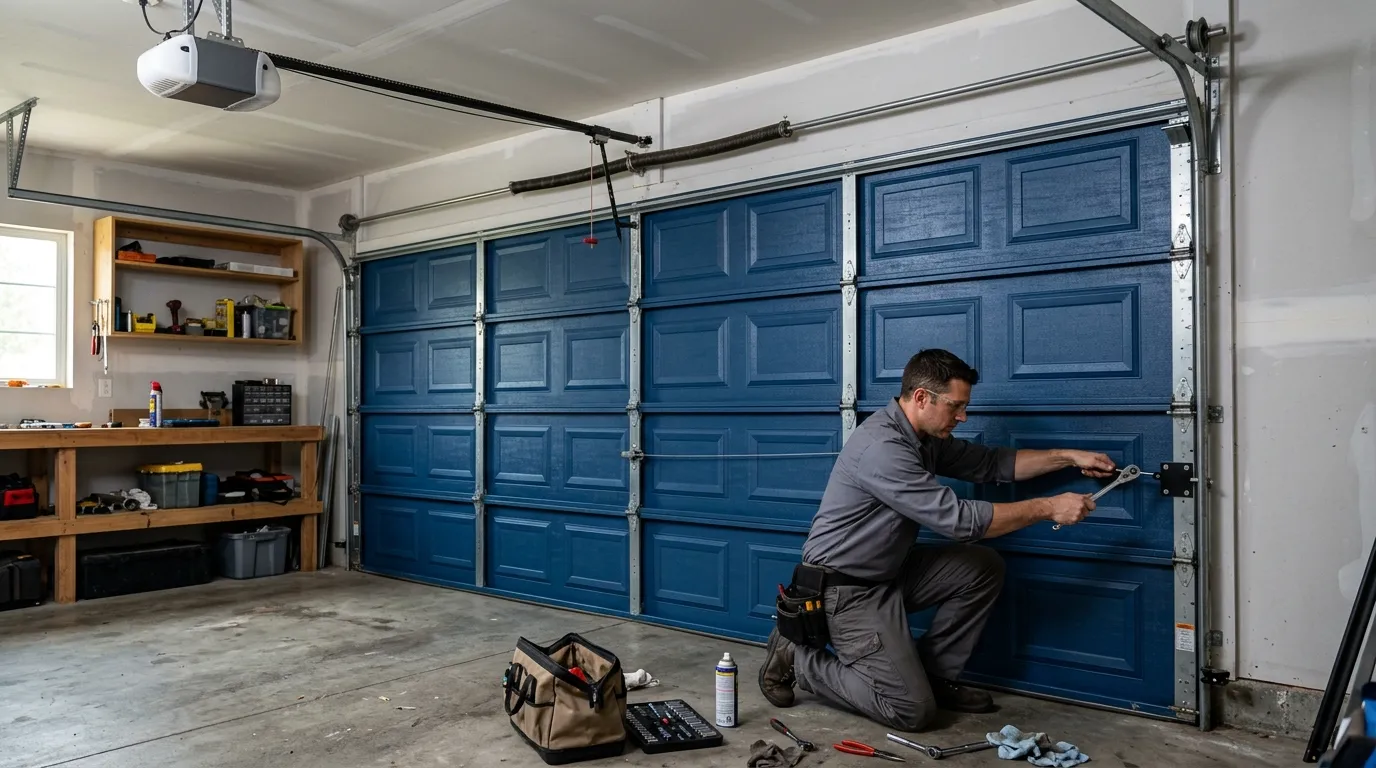
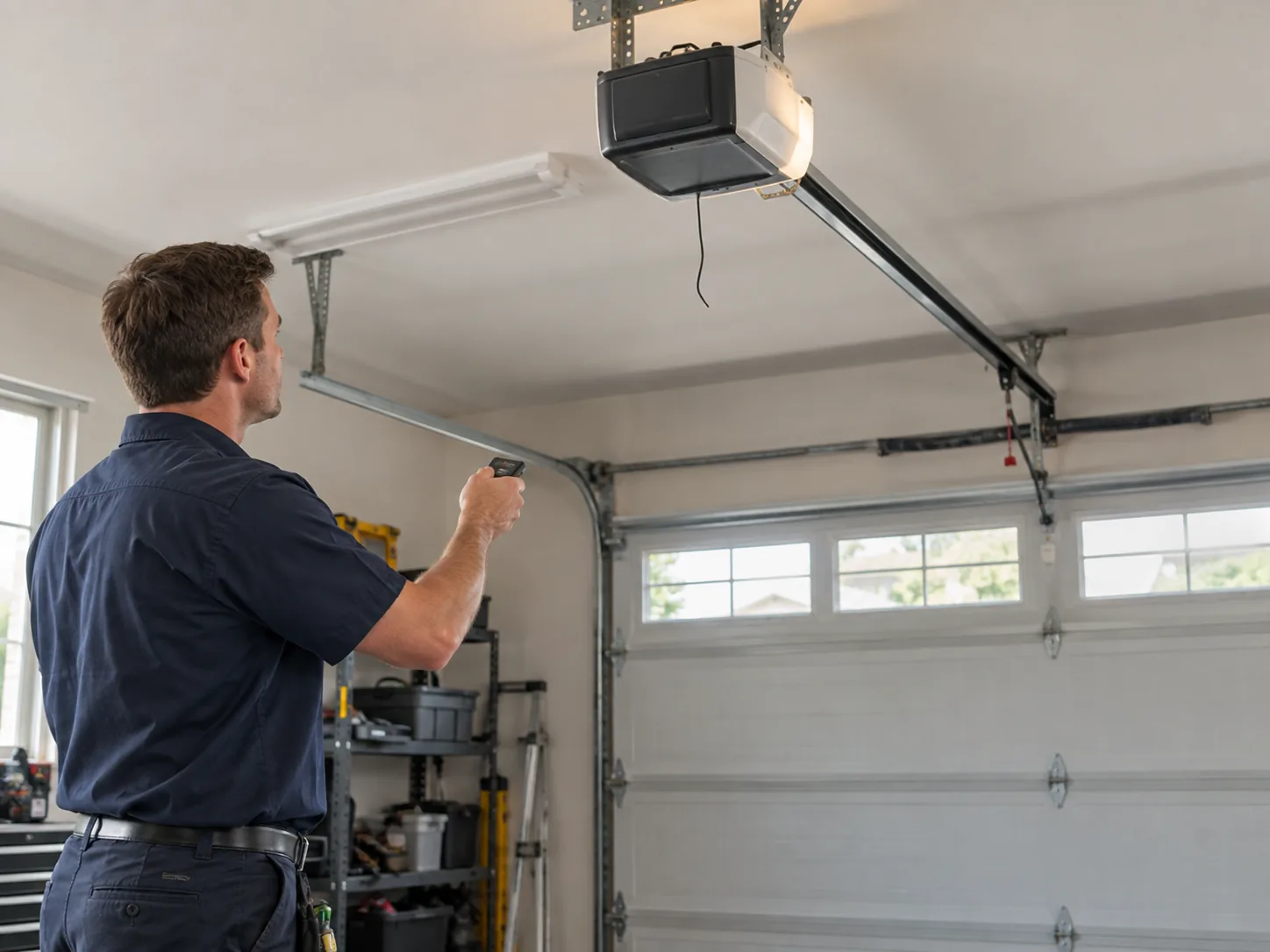
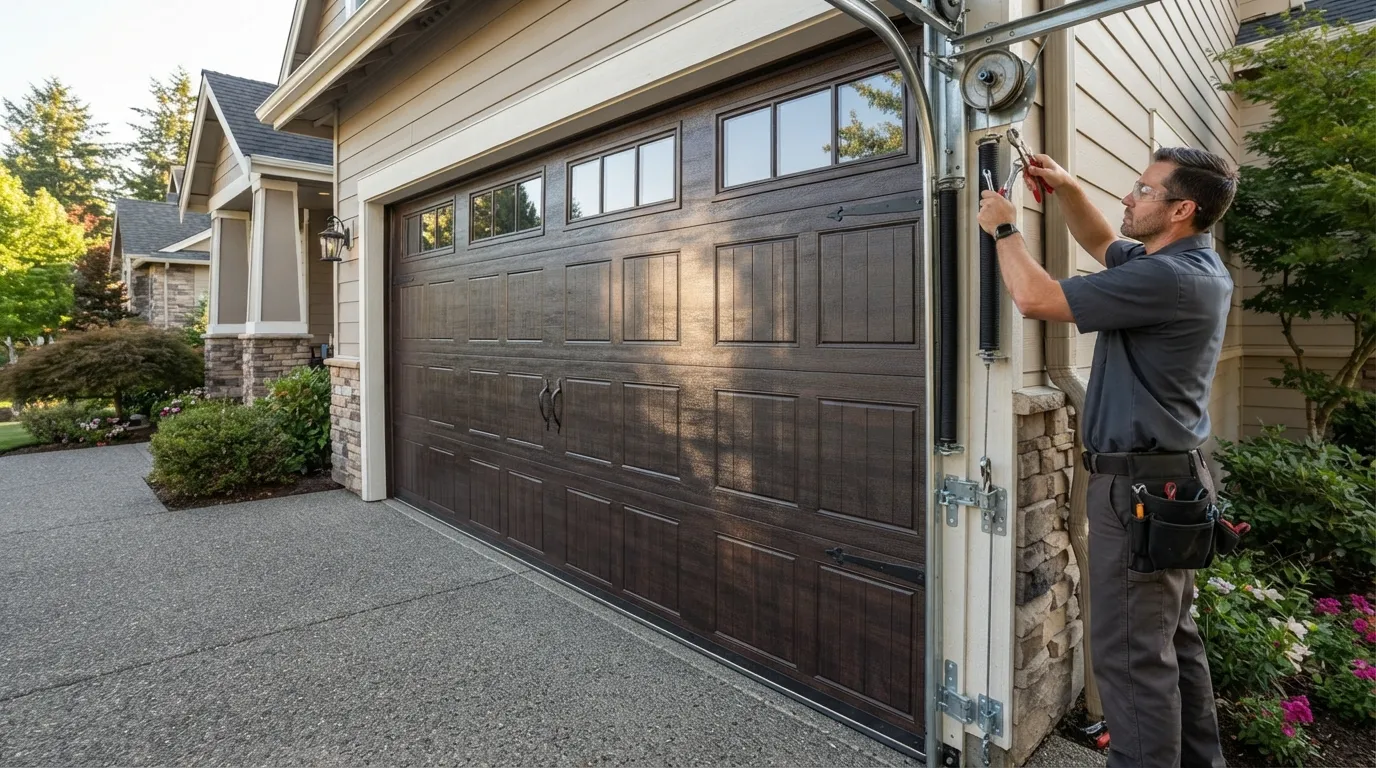
None of that hardware was built with insulation or a cold-rated opener in mind, because neither was standard yet. The truck carries insulated steel and composite doors rated for a cold-climate band, torsion spring sets sized for openings from that build era, and openers with cold-weather-rated drive belts and gearing.

Bracket pattern adapter hardware

We also carry adapter brackets, because a lot of 1980s headers were framed for hardware that isn't made anymore, and the new torsion tube doesn't always bolt to the old bracket pattern without one. We run this job out of Chantilly, about 11 miles from Great Falls.

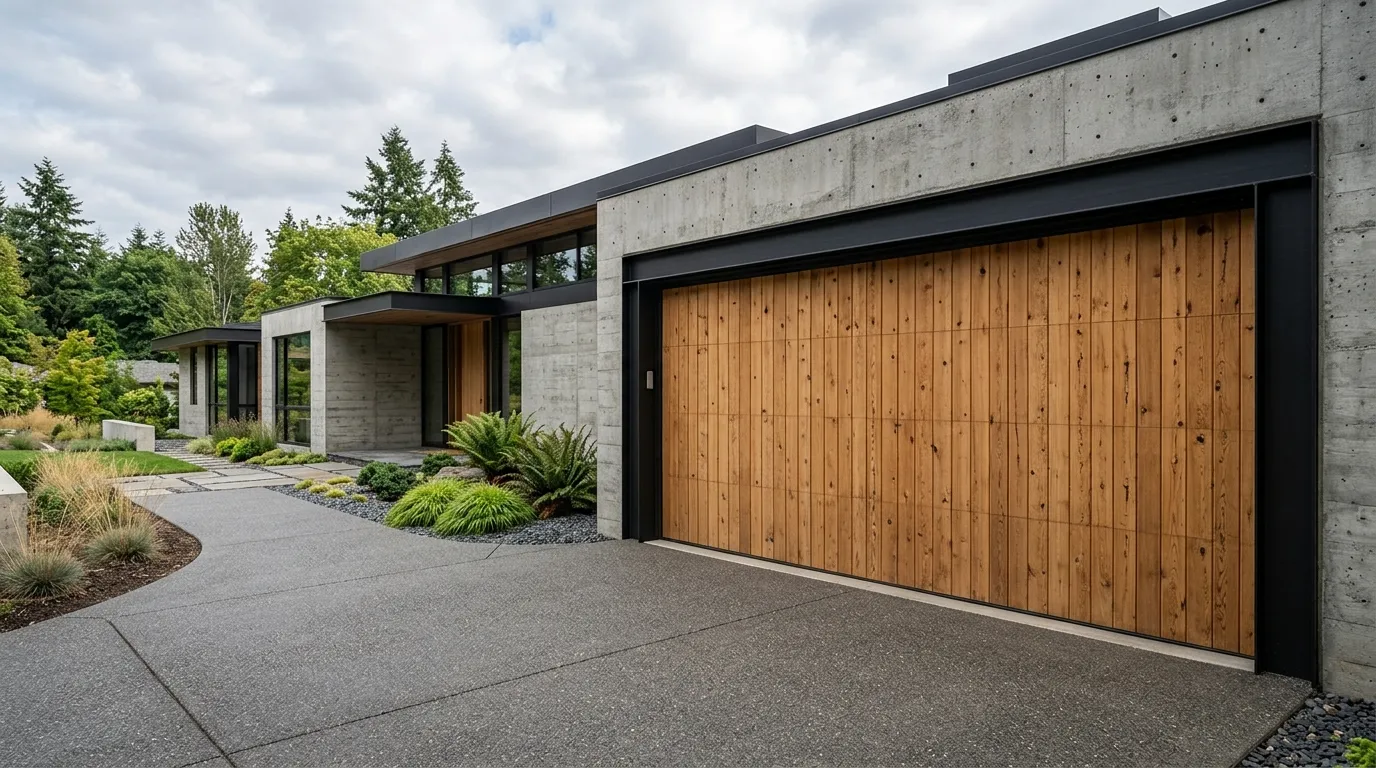
Custom wood door exclusion

That's close enough that we don't treat it as a special trip - the same stock that goes on a Chantilly job goes on this one. What we don't carry standard is custom wood paneling or anything built to order; those get quoted and ordered ahead, not installed same-visit. We measure the opening before we quote hardware, because 1980s framing varies more than people expect, even within the same subdivision.

The repair

What the Repair Takes

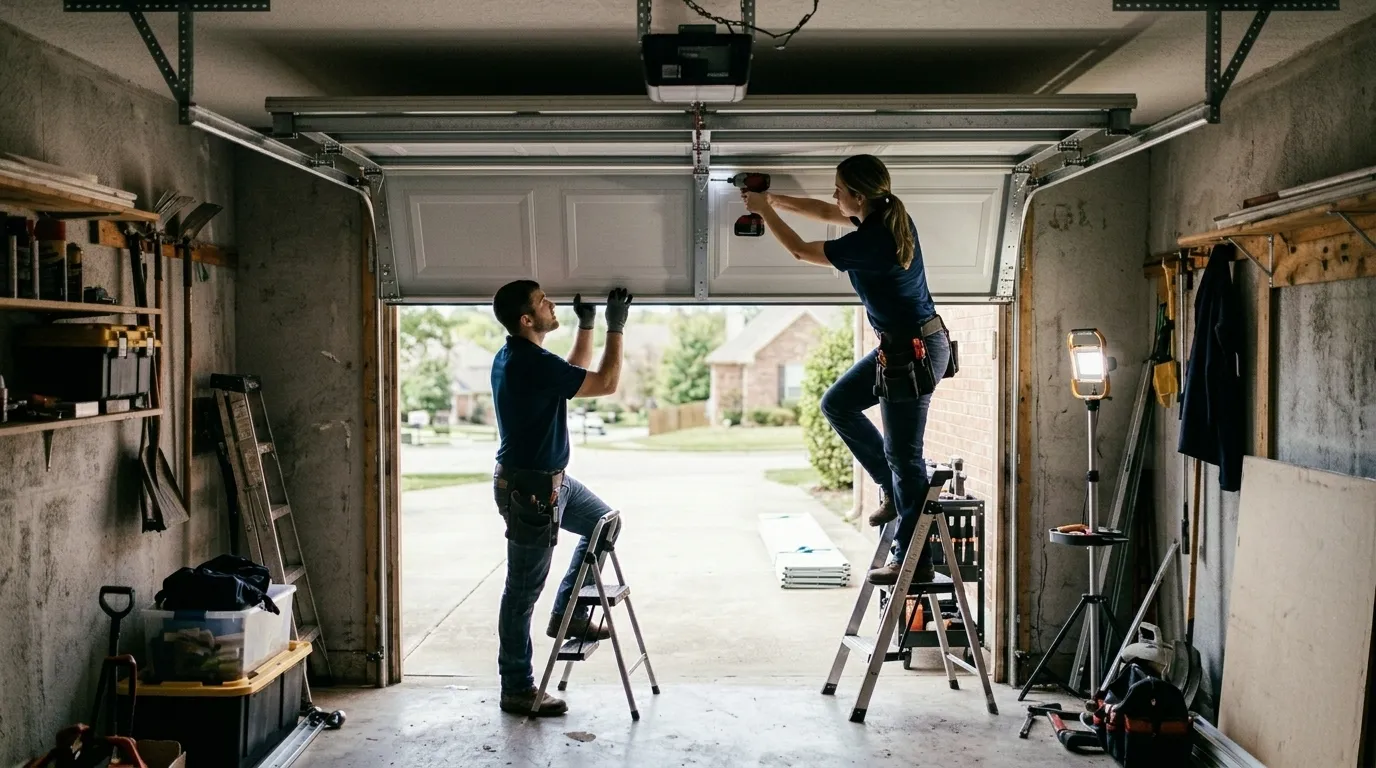
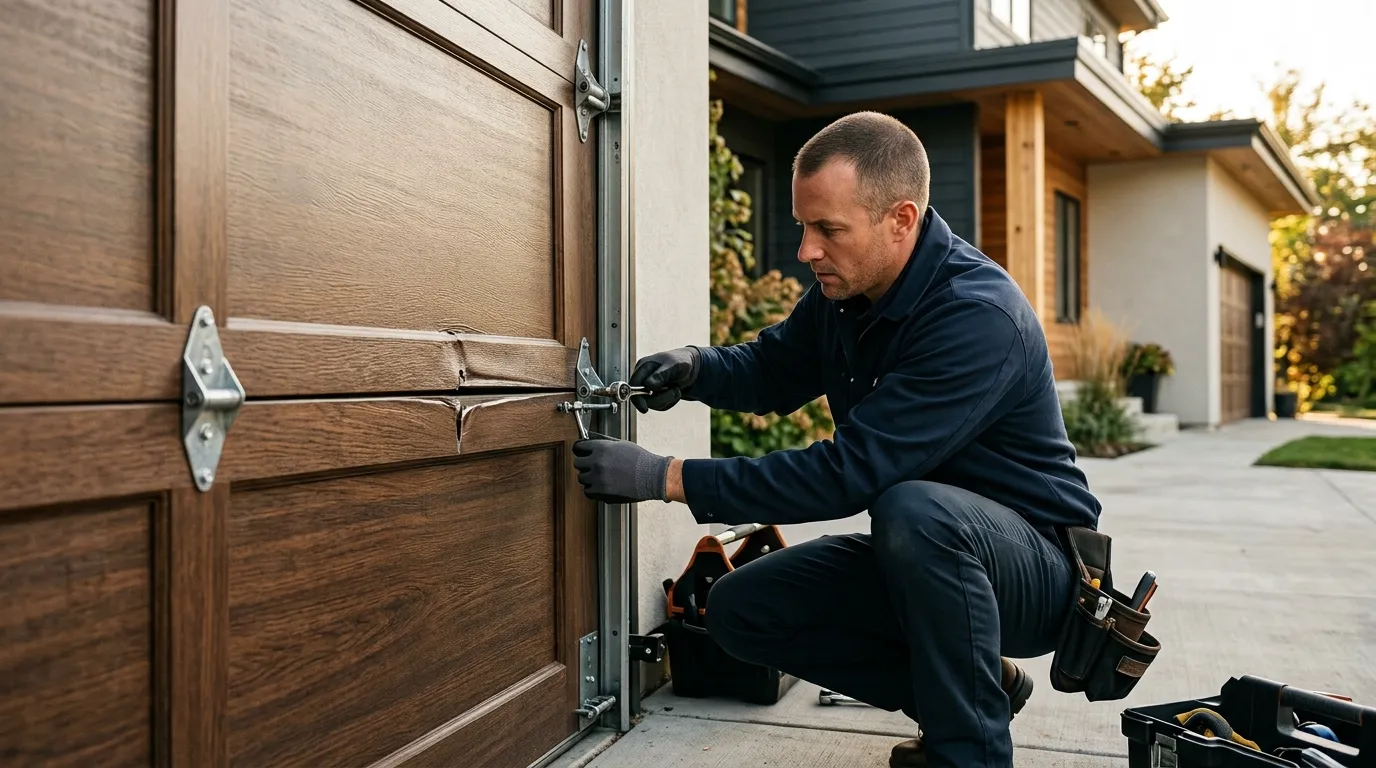
Pulling a door built around 1985 usually starts with the spring, not the panels. Extension springs from that era are often past any safe working life, and torsion springs on the original bar are frequently undersized for a heavier insulated replacement door, so the bar and drums come off along with the door.

  1. Header weight capacity check

    Next is the header. A lot of these houses were framed with a single ledger board sized for the lighter door that was standard at the time. An insulated steel door weighs more, so we check that the header can carry the new torsion assembly before we hang anything - sistering in a second ledger if it can't.

  2. Track roller tolerance mismatch

    Track gets replaced start to finish rather than reused, because 1980s track sections were built to different roller tolerances than current doors use, and mixing them causes binding within the first year.

  3. Cold-weather limit calibration

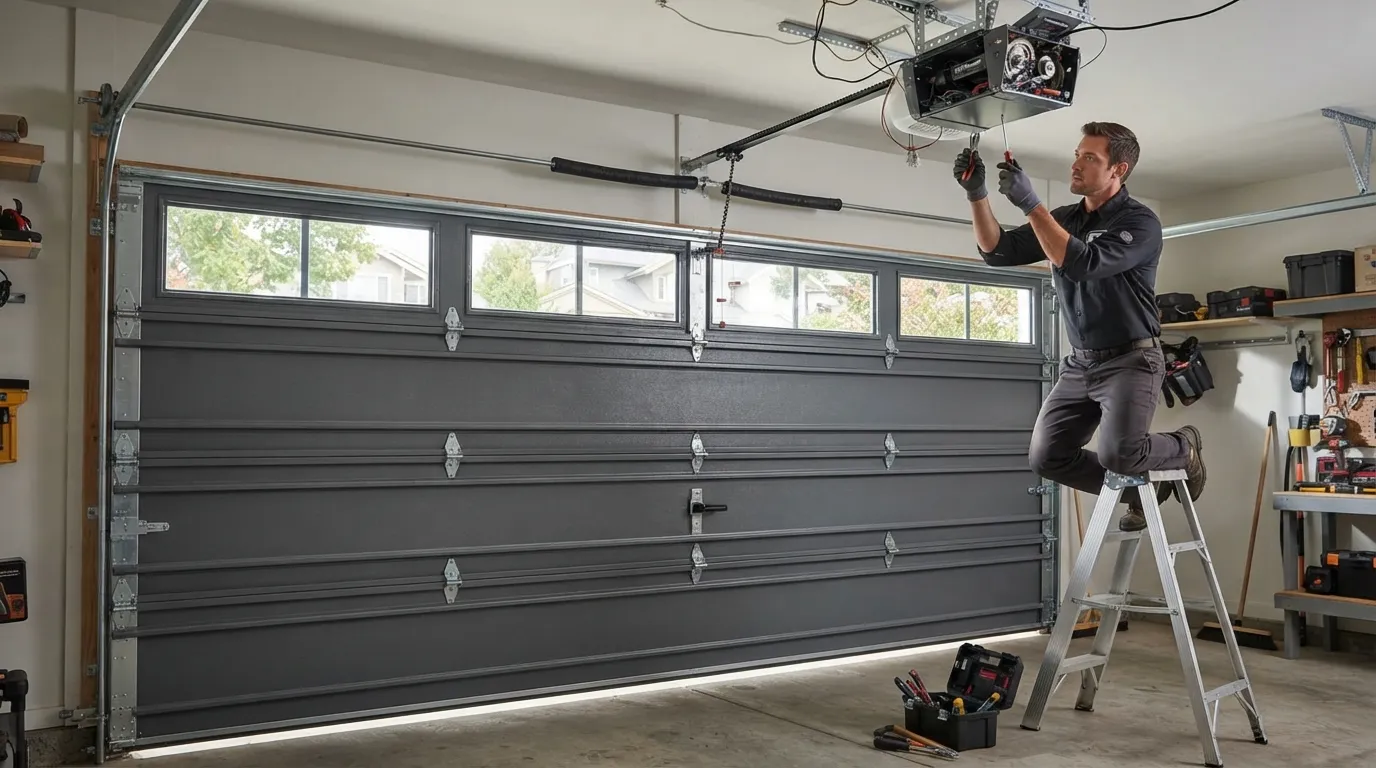
    Opener swap-in is the last step, and this is where the cold-climate band matters: we set drive tension and travel limits accounting for how steel contracts in hard winter cold, not summer temperature, since that's when a mis-set limit switch shows up as a door that won't seat.

Warning signs

What You Are Seeing

The most common call from this stretch is a door that feels heavier in winter than it did in fall - that's a torsion spring losing tension as steel contracts in cold, and on a 1980s-era spring near the end of its life, that loss is sharper than on newer hardware.

Single-layer panel conductivity

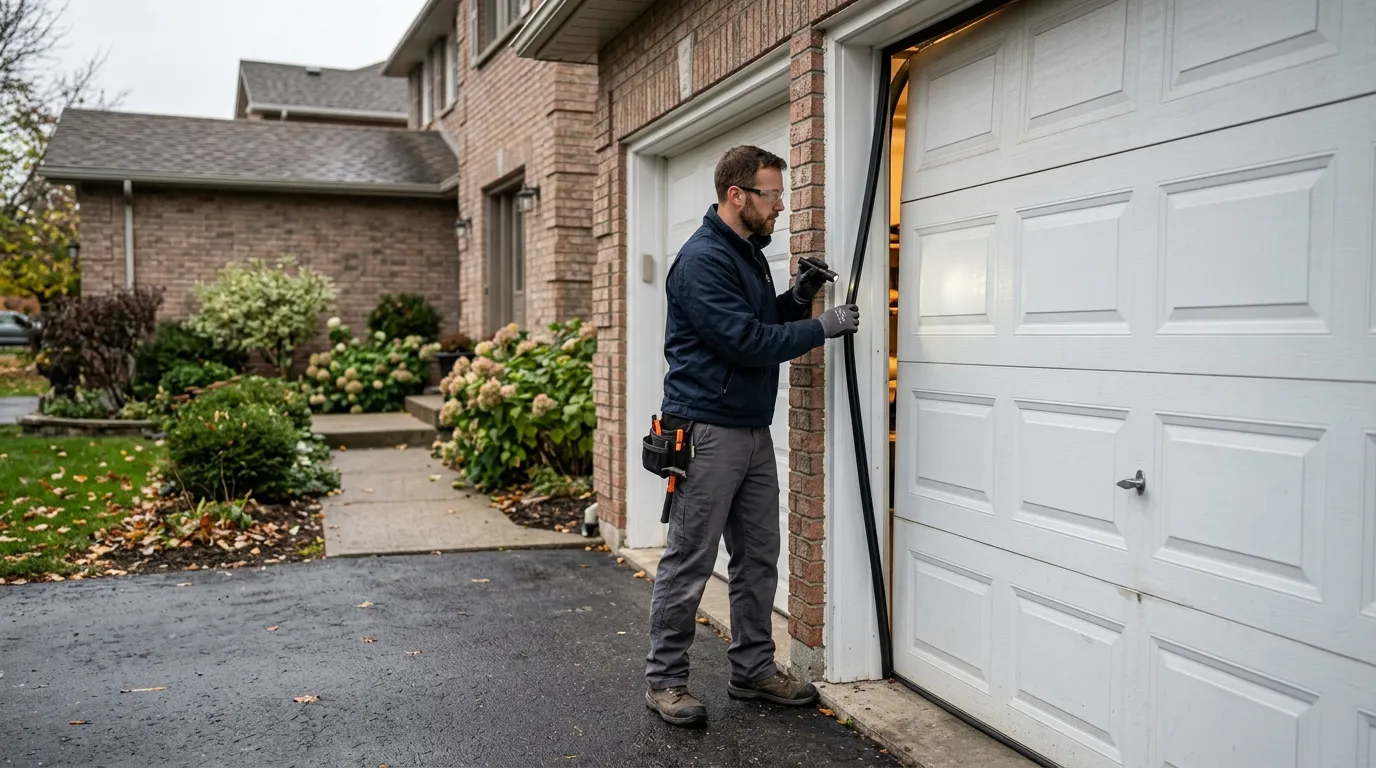
A close second is daylight or a cold draft along the bottom edge of the door even when it's shut. Single-layer steel doors from the mid-1980s were built without a thermal break, so the panel itself conducts outside temperature straight through, and the weatherstrip that was standard then wasn't designed for the seal an insulated door holds.

Galvanized coating deterioration

Rust at the spring coils or drum bolts is common too, especially where the original hardware was galvanized but not sealed at the cut ends - thirty-plus years of temperature swing works that finish loose.

Worn oval roller grinding

Some owners come to us because the door still runs but sounds rough - a grinding low note on the way up. That's usually a roller worn oval-shaped rather than round, riding in track that's also worn, and by that point the two are wearing each other faster.

Watch-outs

Where This Job Goes Sideways

The header is where this job most often runs into a surprise. On some 1980s builds the ledger board was sized tight for the original door weight, and when we open it up to hang a heavier insulated door, we find it needs reinforcement before the new torsion bar can carry safely.

Hidden header damage discovery

That's not something we can see from a photo or a phone call - it only shows up once the old door and track are off the wall. The other spot is opening width.

Builder spec width variance

Builder specs varied more across this era than people assume, and a door ordered by a rough measurement can come up an inch short or long at delivery. We field-measure before ordering for that reason, but it does mean this isn't always a same-day install - sometimes it's a field-measure visit first, then a return trip once the door arrives.

Custom size lead times

We don't fabricate custom wood doors or one-off sizes on site; anything outside a standard manufacturer width gets special-ordered, and lead time on that isn't ours to control. If a homeowner needs an exact answer on timing for a custom size, we say so up front rather than guess.

Pricing

The Cost of This Job

We don't quote a number without seeing the opening, because the two variables that move price the most - header condition and door width - aren't knowable from a phone call on a house this age. What we can say is what drives the range: whether the header needs reinforcement, whether the spring size steps up for an insulated door versus the original single-layer panel, and which insulation tier the owner picks.

Great Falls skews toward higher-end door choices more than some of the areas we cover - not a guess, just what tends to get selected when household income runs well above the wider service area's median. That shows up as more composite and higher-R-value steel doors going in here versus the base-tier steel that's common closer to Chantilly.

The honest limitation: if the header needs sistering or the track run needs a wider clearance than the current framing gives, that adds a step and a cost the original 1985 builder never accounted for. We flag that at the measure visit, before ordering, so there's no surprise at install.

The Cost of This Job
What Causes It Around Here

Local causes

What Causes It Around Here

Two things stack on top of each other in this part of the service area. First is the build year - doors and hardware from around 1985 are now past the point where spring steel and track tolerances hold up reliably, regardless of how well the house has been kept otherwise. Age on the hardware is age on the hardware.

Second is the climate band this area sits in, which runs cold with real winter severity rather than a mild swing. Steel spring wire loses tension faster under hard cold-to-warm cycling than it does in a milder band, and a spring already thirty-plus years old feels that swing more than a five-year-old one would. That combination - old hardware plus a hard winter swing - is what turns a slow year-over-year wear pattern into a spring failure that seems to happen suddenly.

We see the same pattern across the households in this stretch: original torsion or extension hardware, installed when the door itself was lighter, working harder every winter than it was ever set up to. It's not damage from misuse. It's a door built for a lighter era of steel, in a climate band that doesn't go easy on old wire.

Questions

Common questions

Is a same-day install possible on a house this age?

Sometimes, but not always. If the opening measures standard and the header checks out fine once we're on site, yes. If the header needs reinforcement or the width comes up nonstandard, we do a field-measure visit first and schedule the install once the door's ordered and in.

Do you travel from Chantilly for this, or is there a closer branch?

We run out of Chantilly. Great Falls is about 11 miles out, which is a normal service run for us - same truck stock, same crew, nothing treated as a special trip.

Why does my 1985 door feel so much heavier in winter?

Torsion or extension springs lose tension as steel contracts in cold, and hardware from that era is often near the end of its safe working life already. The cold swing just makes a spring that's already tired feel a lot heavier than it did a few winters back.

Will a new insulated door fit my original 1980s opening?

Usually, but builder framing from that era varies enough that we field-measure before ordering rather than guess off a rough number. Most of the time it fits standard sizing; occasionally the header needs reinforcing first.

Ready when you are

Need a garage door sorted in Chantilly?

Chantilly Garage Door Pros repairs and installs garage doors, springs and openers in Chantilly, VA and the surrounding area.

Call Now(571) 701-6142