
Cycle rating exceeded springs
Most houses in this pocket went up around 1985, which puts the original torsion hardware at roughly 40 years old - well past the 10,000-cycle rating stamped on the spring when it was wound.
Great Falls, Chantilly
Torsion springs on Great Falls homes built around 1985 are past their rated cycle life. Chantilly Garage Door Pros travels 11 miles to fix them, no invented depot claims.
On the truck
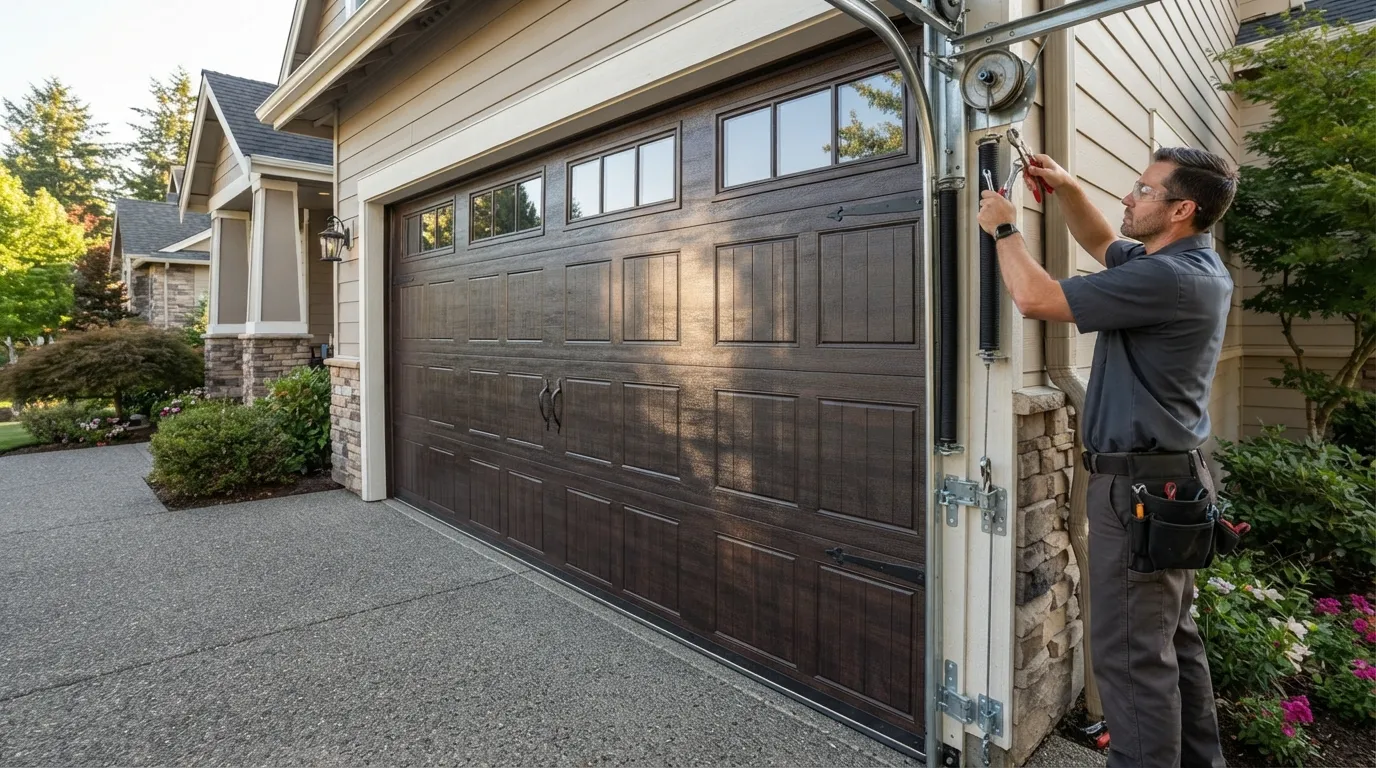
For a spring call in Great Falls, the truck carries torsion springs in the sizes that match doors built in the mid-1980s, plus the drums, cables, and center bearing that usually fail alongside a spring that age.
Most houses in this pocket went up around 1985, which puts the original torsion hardware at roughly 40 years old - well past the 10,000-cycle rating stamped on the spring when it was wound.
We carry standard-wind torsion springs in common shaft sizes, not every odd-diameter spring that shows up on a custom door, so if your door has a spring outside the usual range, that part may need a day or two to source rather than same-visit.
We don't stock extension springs for older lift systems on the truck by default since torsion setups dominate this build era, but we can bring one if the door calls for it. The goal on this call is matching the spring to the door's actual weight and drum size, not grabbing whatever's closest - a mismatched spring is the fastest way to end up back at the same house in six months.
The repair
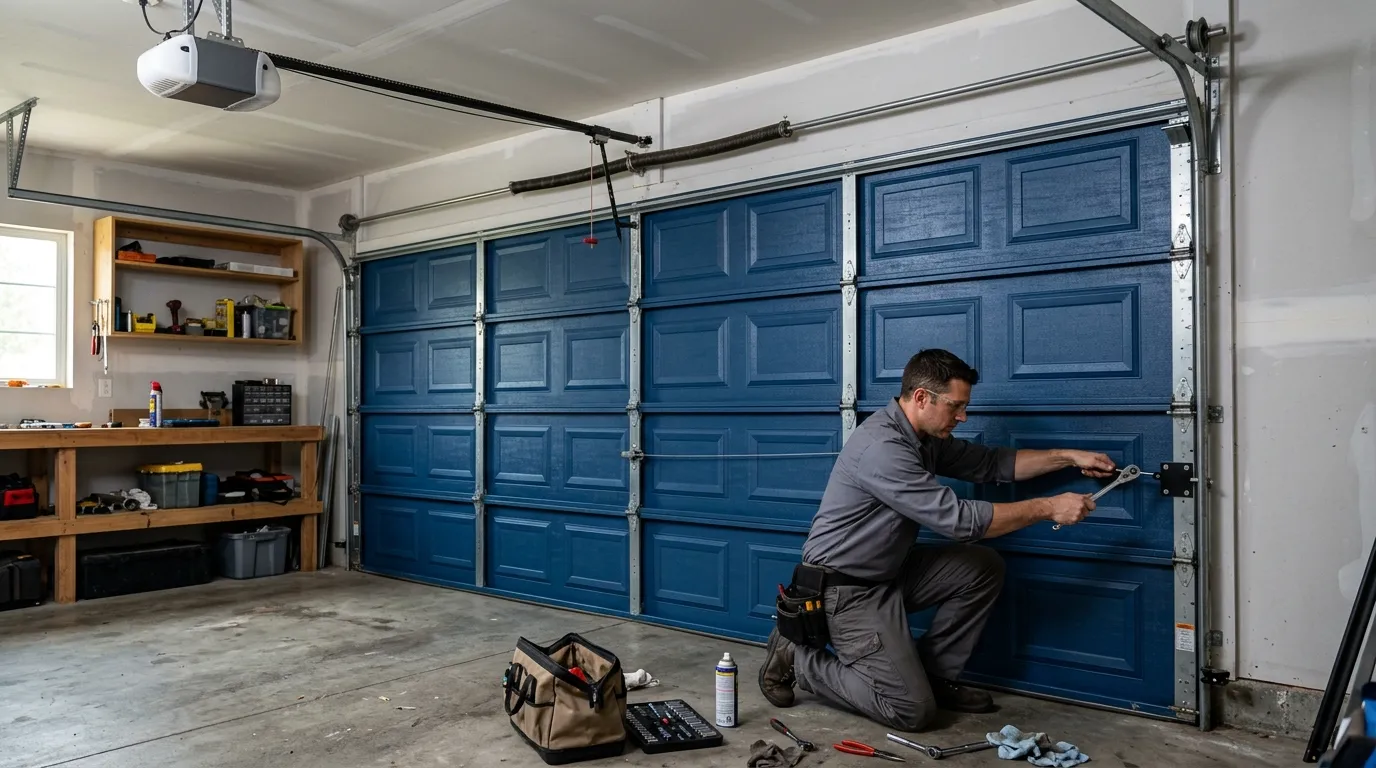
A straight torsion spring swap on a single door usually runs one visit: unwind the old spring under control, pull the drums and cable if they're worn, wind the new spring to the door's actual weight, and balance the door so it holds at any point when lifted by hand. Doors from the 1985 era in this area were mostly built with steel torsion hardware, not the aluminum tracks or nylon rollers you'd see on newer builds, so the balance step matters more - old brackets don't always sit square anymore. If both springs on a double door are original, we replace them as a pair; running one new spring against one 40-year-old spring puts uneven load on the shaft and shortens the new one's life fast. Cable inspection is part of the same visit, since cable frays are the second most common failure point on hardware this old, right behind the spring itself.
Warning signs
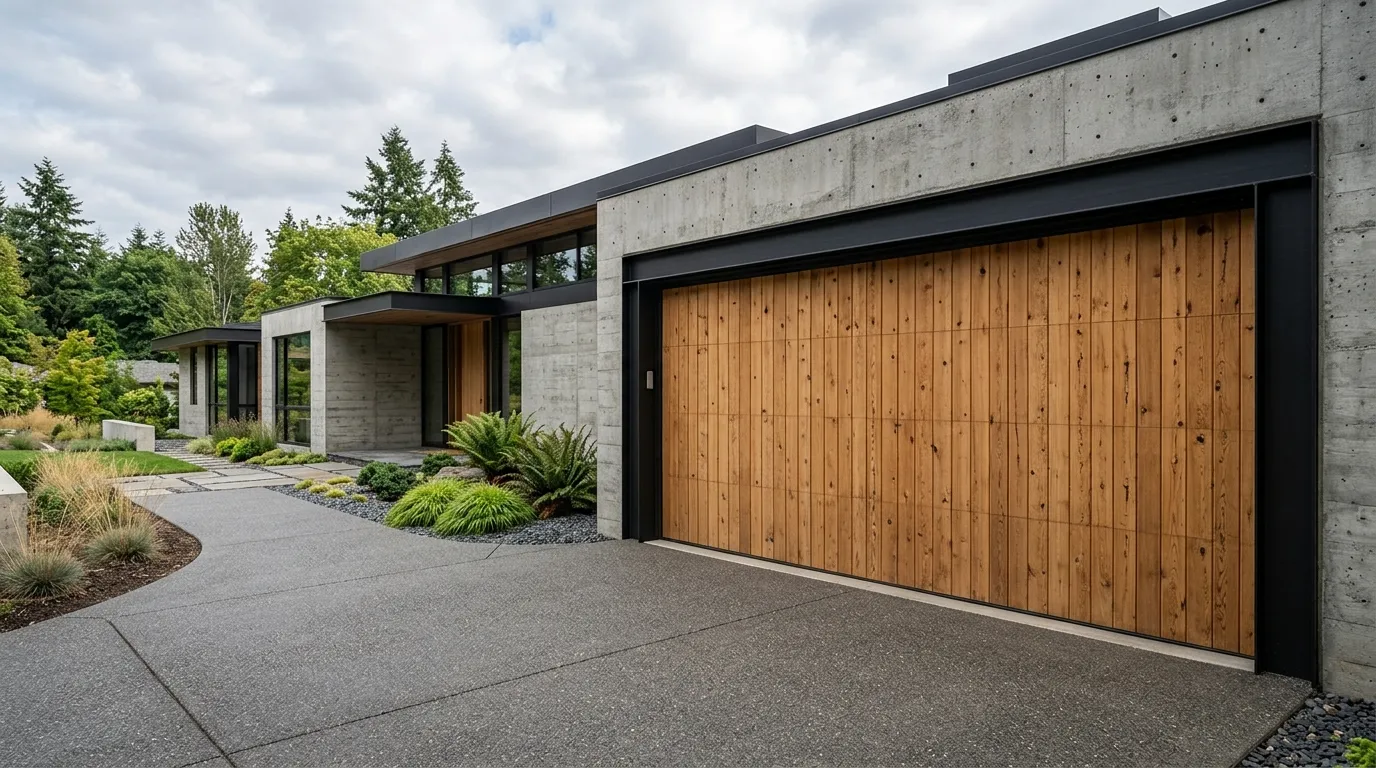
The door won't open, or it opens a few inches and stops. Sometimes there's a loud bang from the garage before it happens - that's the spring letting go, not the opener failing.
On a door with two springs, one snapped spring often still lets the opener force the door up crooked, which strains the opener motor and the tracks at the same time.
If you try the manual release and the door drops fast or feels like dead weight, that's a spring gone, not a track or roller problem. Given the age of hardware common in this area, a spring failure at this point isn't early - it's about on schedule for steel wound in the mid-1980s.

Watch-outs
The job gets harder when the drums or the shaft are worn oval from decades of an unbalanced spring rubbing metal on metal - that's common on hardware this old and it turns a spring swap into a shaft and bearing job. It also gets harder when a homeowner or a handyman has already tried to wind the spring back by hand; a spring under partial tension is dangerous to work around and takes longer to secure safely before we can even start. One honest limit: if the header above the door has sagged or the track brackets are pulled loose from the wood, that's a structural issue outside a spring repair, and we'll say so rather than bolt new hardware to a frame that won't hold it.
Pricing
We don't post a flat number here because spring size, whether it's one door or a pair, and whether drums or cable need replacing all move the price.
What we can say is that households in this area, with median income above $250,000, more often choose to replace both springs and worn cable in the same visit rather than patch just the broken one - it's a smaller gap in total cost than most people expect, and it means one visit instead of two.
Great Falls sits about 11 miles from our Chantilly shop, and that travel is factored into the job, not billed as a separate stop.
Local causes
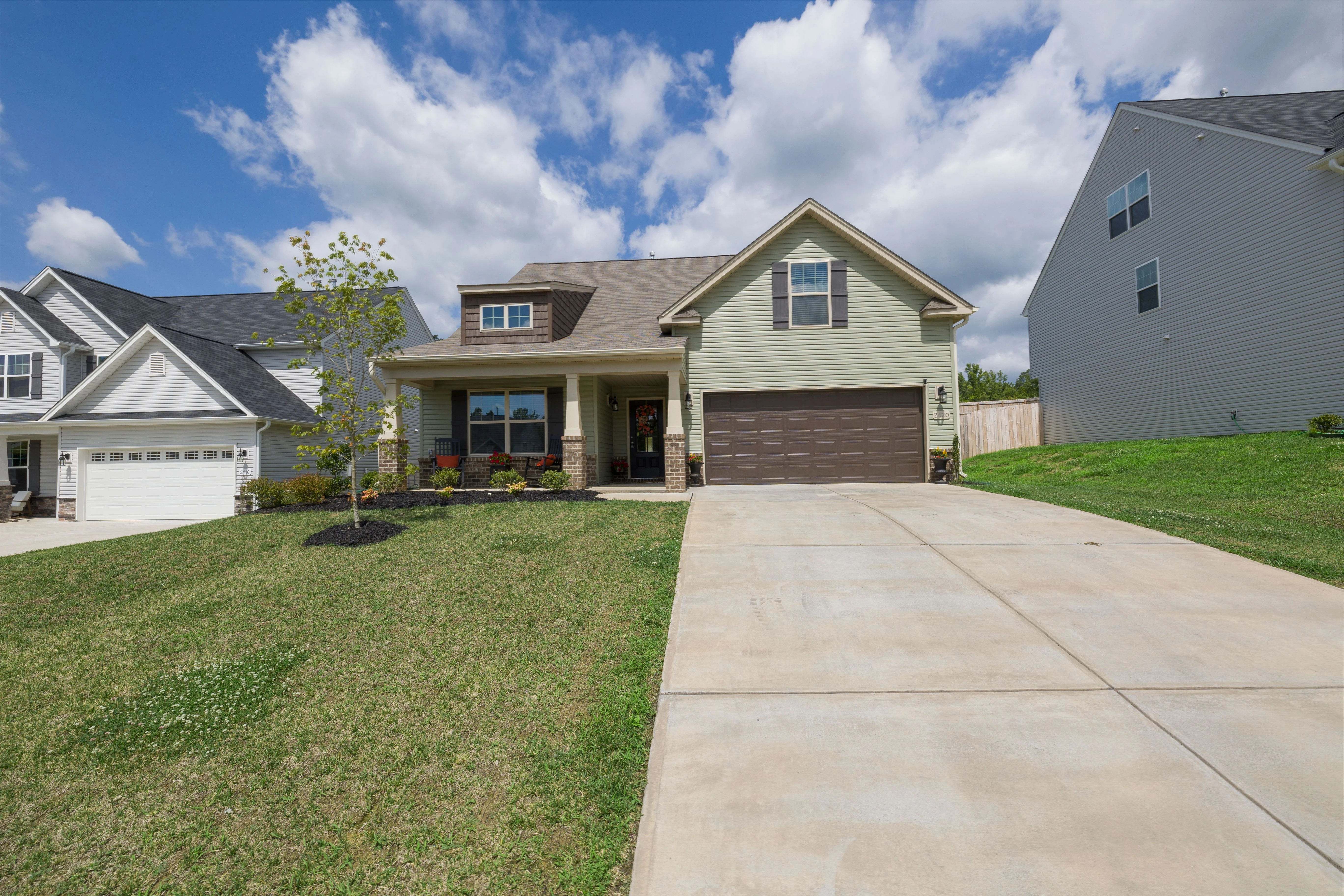
Steel spring wire fatigues with every open-close cycle, and that fatigue speeds up in a cold climate - the winters here fall in the severe-cold band, and cold steel is more brittle steel. Combine that with hardware that's now roughly 40 years old across most of this build era and springs failing in winter, right when the door's getting used the most, is the pattern we see. Across the wider service area's roughly 55,707 owner-occupied houses, spring wear tracks pretty closely with the 1981 median build year - Great Falls, going up a few years later around 1985, is a little behind that curve, but not by much.
Questions
If the door hasn't been replaced, the spring is original and roughly 40 years old - well past the 10,000-cycle life stamped on most torsion springs. At that age, failure isn't a surprise, it's overdue. We'd expect to replace it rather than patch it.
For the common torsion spring sizes that match doors from this build era, yes. If your door has a custom or oversized spring outside the usual range, we may need a day or two to source the exact part rather than finish in one visit.
On a double-spring door, the opener keeps pulling against the working spring, forcing one side up while the other side stays weighted down. That uneven pull is what strains the opener motor and the track brackets at the same time.
If both are original hardware from the mid-1980s, we replace them as a pair. Pairing a new spring with a 40-year-old one puts uneven tension on the shaft and shortens the new spring's life well before it should fail.
Explore more
Ready when you are
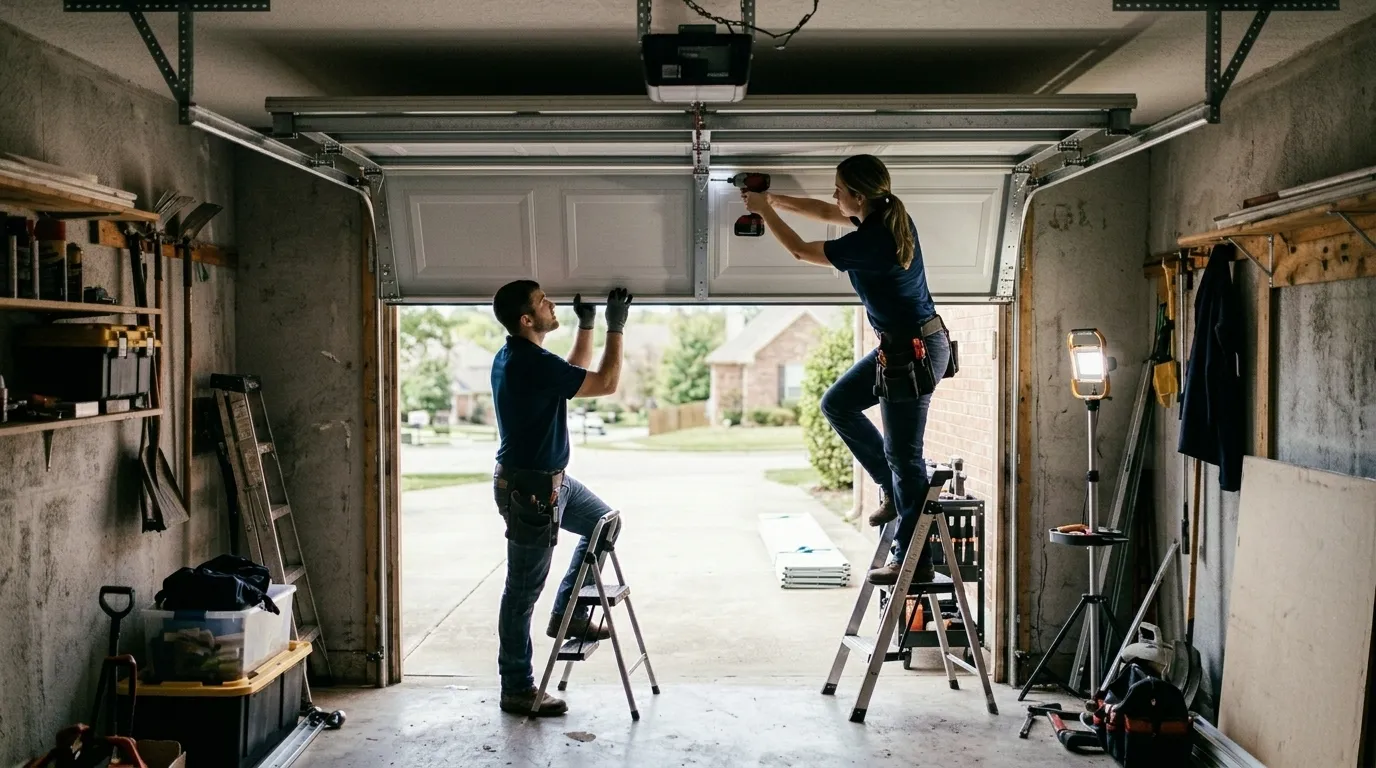
Chantilly Garage Door Pros repairs and installs garage doors, springs and openers in Chantilly, VA and the surrounding area.